

 See My Latest Article on HelloNation
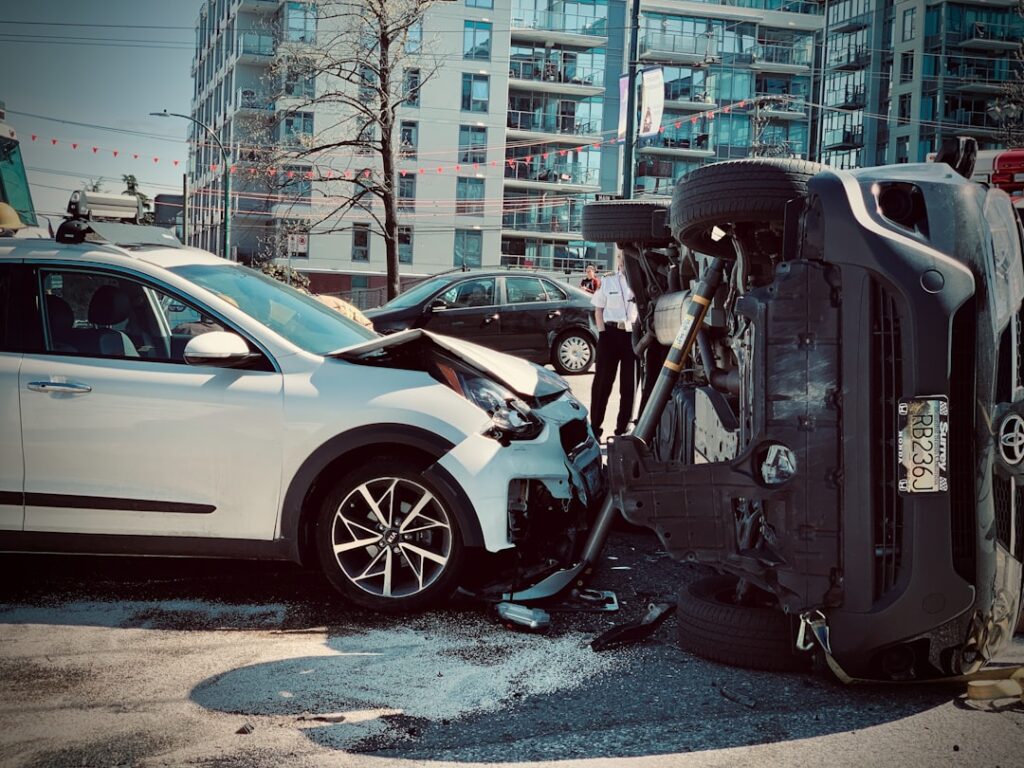
What Should You Do Immediately After an Accident for Insurance Reasons?
First, ensure everyone’s safety by checking for injuries and moving vehicles out of traffic if feasible and safe to do so. Once everyone is safe, preserve evidence for your insurance claim by staying calm and gathering basic details before leaving the scene.
In Bedford, most car accidents are minor, but the shock can lead to missed details. After confirming no one is injured or in immediate danger, use your phone to photograph all vehicles from several angles, any visible damage, license plates, landmarks, weather conditions, and any street signs nearby. These help document the accident environment—something local insurance adjusters pay attention to when reviewing claims. Remember not to alter the positions of vehicles more than necessary unless continued presence in traffic poses a hazard.
Whose Information Should You Collect?
Exchange key information with the other driver and, if anyone witnessed the accident, ask for their contact details. This helps clarify facts for your insurer should questions arise later.
Gather these details from all involved drivers:
- Full name and contact information
- Insurance company and policy number
- Driver’s license and license plate number
- Vehicle make, model, and year
If the other driver refuses to provide insurance details or leaves the scene, try to note their license plate and vehicle description as soon as possible. Some residents mistakenly assume this information will always be collected by police; however, in many minor accidents in the city, law enforcement will not file a full report unless there are significant injuries or hazards.
When Do You Need to Contact Local Authorities?
Call the police if anyone is injured, if there’s a dispute over the accident facts, or if the vehicles cannot be safely moved. In Bedford, minor collisions without injury do not always require a police officer to respond, but getting an official accident report can speed up insurance processing and clarify fault.
If officers do arrive, politely ask for their names, badge numbers, and a way to obtain the accident report. You’ll often be provided with a slip containing a reference number for online procurement—keep this for your records.
How and When Should You Notify Your Insurance Provider?
Report the accident to your insurance provider as soon as practical, even if you think the damage is minor and you plan to pay out-of-pocket. Timely notification preserves your right to benefits and prevents misunderstandings later. Most policies require prompt reporting—waiting too long can limit your coverage options, especially if the other party files a claim after the fact.
Report these details to your insurer:
- Date, time, and location of the accident
- Names and contact information of involved parties
- Insurance and vehicle details for all parties
- Brief description of events and conditions
- Photographs and, if available, a police report reference number
Provide factual, objective descriptions—avoid speculation about fault or unnecessary commentary.
What if the Other Driver is Uninsured?
If you discover the other driver lacks insurance, document the interaction and inform your provider. Texas law requires all drivers to carry liability insurance, but uninsured motorists are sometimes involved in collisions. In these cases, your insurance may offer uninsured motorist protection, but it’s critical to file a police report if possible and supply your insurer with every detail.
Don’t rely on a verbal promise from the other driver to “handle things privately”—it may jeopardize your own claim process under your policy and lead to delays or denials later.
How Should You Handle Documentation and Follow-Up?

Keep a dedicated folder, physical or digital, with all accident-related materials. This includes:
- Photos taken at the scene
- Exchange of information forms
- Police report or incident number
- Notes about the accident, including weather, time, and traffic patterns
- Insurance correspondence and claim numbers
Area households sometimes overlook documenting phone calls or in-person conversations with insurers or other involved parties. Write down the names, dates, and short summaries of any significant interaction. This protects you in case of discrepancies or delays.
What Are Common Missteps to Avoid?
While the aftermath can be stressful, avoid these frequent errors:
- Leaving the scene before exchanging information or documenting damage
- Apologizing or admitting fault, even casually—let insurers and adjusters determine responsibility
- Skipping notification to your own insurer, thinking it’s unnecessary for minor damage
- Relying solely on memory instead of taking photographs and contemporaneous notes
A practical example: Assume you’re in a minor accident during rainy weather on a neighborhood street. Even if both drivers agree there’s minimal damage, take photos of the wet pavement and note that visibility was reduced. This detail could matter if questions about speed and stopping distance arise later.
What Local Factors Matter in Bedford, TX?
Weather, traffic flow, and infrastructure can influence accident outcomes in the city. Multi-lane roads and heavy traffic during school or work commuting hours often lead to low-speed, multi-vehicle fender benders. Urban intersections near major shopping areas or parks are frequent sites for incidents.
Be aware that in high-traffic conditions, police response may be delayed or limited to severe cases—so robust evidence and prompt communication with your insurer help resolve claims efficiently. Additionally, consider periodic storms or flash rain common to the region, as weather-related documentation can assist in claim evaluation.